



8 BENEFITS OF HAVING HOMEOWNERS INSURANCE IN 2026
Published on: January 1, 2026

On this page

KEY TAKEAWAYS
Homeowners insurance provides complete protection against damages to your house and personal belongings caused by natural disasters, theft, or accidents.
Homeowners' insurance provides essential financial backup for repair and replacement costs, ensuring you don’t have to cover the damage costs due to an unforeseen event alone.
Liability coverage protects your financial assets by covering legal, medical, and property damage costs from third-party claims.
Homeowners insurance ensures that your investment and the lender's equity in your property are protected.
Homeowners insurance coverage enhances your home's appeal to buyers and maintains its value by covering damages resulting from various perils.
Your home is where you can sit and relax after a long day of intense labor. It is where your loved ones reside, and you feel the most at peace. Owning a house is a gratifying experience; however, it comes with hard work and consistency.
Maintaining your home requires vigilant and proactive measures to avoid major losses. But maintenance alone can never guarantee its protection, so you need a safety net to rely on.
This is where home insurance steps in. Sometimes, homeowners have to deal with perils beyond their control, such as fire, storms, earthquakes, theft, etc. In those situations, a home insurance policy comes to the rescue.
In this blog, we will explore the potential benefits of having a homeowners insurance policy in 2026:
What Does a Home Insurance Policy Entail?
Home insurance, most commonly referred to as homeowners insurance, is a great financial investment that offers protection in case your home or its belongings are affected by a covered peril. It helps cover losses from disasters, theft, vandalism, and other risks up to your chosen coverage limits.
Here are some coverage options that are included in a typical home insurance policy:
Dwelling Coverage
It is the most critical component of your homeowners' insurance policy. The groundwork, walls, roof, flooring, and other building elements of your house are all covered under your dwelling policy, ensuring complete protection in case of any unforeseen event.
Suppose your home sustains damage or has to be rebuilt due to an unexpected peril covered in your policy (fire, hailstorm, lightning, and others). In that case, dwelling coverage helps cover the associated damage expenses.
Personal Property Coverage
This type of home insurance covers your possessions in your house, including household items, gadgets, clothes, electronic appliances, and other personal items—basically, what you own.
Personal property coverage aids in reimbursing you for the monetary worth of your belongings if they are lost, stolen, or damaged due to unforeseen events only if they are covered under your insurance policy. You may not receive any payback for instances not covered under your policy.
Additional Living Expenses (ALE) Coverage
If your residence or home is rendered unsuitable due to a covered incident, ALE offers money to cover the temporary cost of living, ensuring you are not stranded. It also helps avoid the financial trouble of looking for temporary housing, providing peace of mind during stressful situations.
This coverage pays for lodging, hotel, food, and other essential living expenses while the house undergoes reconstruction and is not fully restored to its previous state or condition.
Liability Coverage
If you're found legally liable for damaging another party's property, liability coverage will back you up financially. These situations may occur more than one may think, so it is better to stay covered just in case it happens.
Personal liability insurance can assist in paying for medical costs, court expenses, and eventual settlements or judgments if someone suffers harm on your land or if you accidentally cause any destruction to someone else's property.
Other Structures Coverage
This policy covers structures on your property that are not attached to your home, such as garages, sheds, and fences. They are a part of your property but are not connected directly to your home.
This coverage for detached structures contributes to the cost of repairing or replacing them in case of a covered loss, for example, storms, floods, accidents, etc. It helps ensure your attached structures are not unchecked in case of damage or other harmful events.
Scheduled Personal Property Endorsement
For objects of exceptional value, such as jewelry, art, and collectibles, regular insurance coverage may not suffice, and you should purchase additional coverage. These items are rare and expensive to repair or replace, making them all the more crucial to insure.
This supplementary coverage can be acquired to insure valuable possessions at their appraised value without a deductible, ensuring your prized possessions are fully covered against damage or loss.
Flood or Earthquake Coverage
While homeowner insurance helps cover various unforeseen damages and perils, standard homeowner plans do not cover damage caused by floods or earthquakes. Many homeowners are unaware of this, potentially leading to significant losses.
If you reside in a region where these natural disasters frequently occur, flood insurance and earthquake insurance policies—which you must purchase separately—are crucial to protect your home. These policies cover unforeseen damages to your property, ensuring you are covered.
Accidental Death Benefits
Some insurance companies provide optional riders or endorsements with homeowners' insurance death benefits. Since this is not common practice, you must pay an extra charge to add it to your policy.
These benefits often cover accidental death on the property; however, they are substantially limited in scope than life insurance plans. Usually, these endorsements only provide a small reimbursement to cover immediate expenses linked to the incident. Unlike a comprehensive life insurance policy, it offers no long-term financial support for the insured's family or dependents.

Advantages of Homeowners Insurance
Protects Your Belongings
While it's true that material possessions hold no value in front of your health and life, they do reflect a man’s hard work and success. One of the most significant advantages of home insurance is that it helps reimburse you for the valuable items you lose in your house due to an insured event.
Personal property coverage financially protects the belongings inside your home, such as furniture, electronics, clothes, and equipment. The coverage offered for your belongings is a percentage of your dwelling coverage, usually between 50% and 70% of the dwelling's insured value.
For example, if your family ever suffers from smoke and water damage from a kitchen fire, there will be some damage to your furniture, appliances, or electronics. If you have personal property coverage in place, 60% of your $300,000 dwelling insurance, which makes $180,000, will be available to protect against your losses.

Ensures Financial Security After Disasters
The wrath of Mother Nature can be horrifying and catastrophic. You can never anticipate earthquakes, wildfires, or hurricanes; even if you expect them, you cannot stop them from harming your abode if it's in the way. Instead, you can prepare for the consequences so that you or your loved ones are not stranded.
Hurricane Ian alone caused approximately $50-55 billion of insured losses in 2022. This just represents the high level of risks natural disasters pose and how necessary insurance is. Home insurance not only covers your damages but also contributes to the complete reconstruction of your house in case of an intense natural disaster.
The ALE coverage (mentioned previously) also pays for temporary replacement if your home is rendered unlivable due to a covered natural disaster. This is beneficial because it ensures your financial health is preserved against unprecedented expenses such as hotel bills or rent from temporary residencies.

Provides Liability Coverage
If someone gets injured on your property, you are left to bear the brunt of it. Fortunately, home insurance comes with liability coverage, which covers the medical expenses for others injured on your property, such as hospital bills, medicine, diagnostic tests, and surgery.
For example, suppose a visitor at home slips on an icy patch on your driveway during the winter season. In that case, your liability coverage will bear the expenses if they suffer significant injury or require medical attention.
According to Swiss Re, litigation costs drove US liability claims up by 57% over the past decade, highlighting how expensive legal proceedings can be, especially when defending against liability claims.
Legal fees can mount up in the blink of an eye if you are the target of a lawsuit over your actions as a homeowner or your property. Luckily, home insurance can assist you in paying for proceedings!

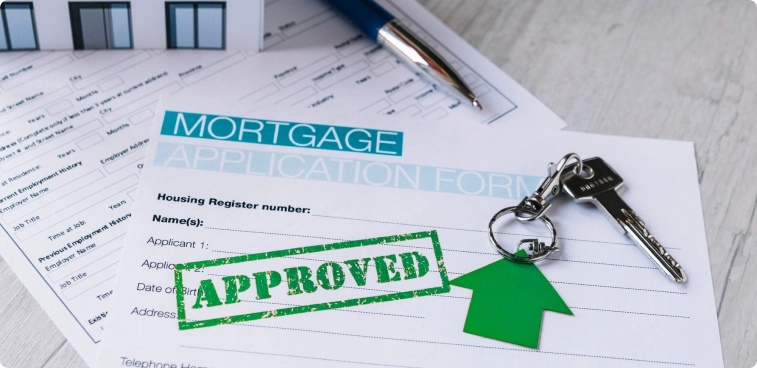
Meets Mortgage Requirements
If you have a mortgage on your property, you'll probably need to purchase homeowners coverage since most lenders in the US require insurance.
Comprehensive insurance helps ensure the lender, who also holds an interest in the property, that their owned space is covered against perils and unforeseen perils. Whether it is fire, theft, or any natural disaster, the value of the property will remain intact.
The right insurance coverage fulfills your lender's demands, protects your financial investment, and prevents unnecessary out-of-pocket expenses. In addition, homeowners' insurance provides peace of mind and assurance, knowing that your home and personal items are protected.
In the event of damage or potential loss, this coverage can help you rebuild, repair, or replace, easing the financial burden and allowing you to recover faster. It offers a safety net when things take a sharp turn.
Customizable Policies
A home insurance policy is only a partial fit. Everybody has different circumstances, meaning everybody purchases a different amount of coverage. With the option to customize your policy, you can tailor your policy however you like and accommodate your specific insurance requirements and preferences.
If you are someone who does not think personal possession coverage will add much value to your homeowners' insurance, you can skip it by all means. However, an artist with valued possessions stored at this place will have a different opinion than you. They can use this additional option to cover their prized possessions against various risks.
You can add or subtract coverage options, limits, or levels based on your specific needs, ensuring you are not paying for something you don’t require. You can also have your home insurance service provider develop a suitable plan tailored to your specific needs.

Boosts Property Value
Prospective real estate markets consider houses with insurance more desirable. Maintaining a record of insurance coverage can significantly boost your house's value and increase its resale value, should you decide to sell your home.
Imagine a prospective buyer choosing between two homes, one with insurance history and the other without. The insured home is likely more appealing to the buyers as they know it has been protected against risks like water damage or fire, avoiding surprise repairs later.
There won't be any concealed issues that need repairing, resulting in additional expenditures. This is because homeowners' insurance helps you address repairs and replacements promptly. People will more likely choose your home because they know insurance will protect them in case of unanticipated incidents.
In addition, a good insurance history helps convince the buyers of the home’s quality and upkeep. Insurance enables you to protect your home and maintain its market value for future resale.

Promotes Long-term Financial Goals
You feel financially secure after purchasing home insurance. Once you are assured that you have financial backing if something ever happens to your house, you are more inclined to make financially sound decisions, such as investing, saving for emergencies, paying off debt, or budgeting your expenses.
If you are ever in the middle of a natural disaster and your house is completely damaged, you wouldn’t have to break your savings account to help pay for the reconstruction of your home. There will be a proper insurance plan that will help you rebuild your property from scratch, securing the investments and savings you have made so far.
Homeowners insurance does not just cover the physical repairs; it also offers peace of mind and assurance that your financial interests are protected. If your home and possessions are insured, you can focus on other aspects of your life, especially during crises. With the rising construction and materials costs, this coverage is a crucial addition to your insurance portfolio.

Offers Financial Relief for Theft/Vandalism
Your priceless belongings are kept safe owing to the vandalism and theft protection home insurance provides. The financial fall-out resulting from a robbery can be crippling and burdensome; this is when home insurance comes in handy; it covers the economic loss caused by the theft of your precious possessions or any damages sustained due to a break-in.
Imagine your family returning from a weekend getaway only to find your home vandalized. Your electronics, artwork, and sentimental belongings are damaged, and you are left to pay for the damages on your own.
Home insurance will help you pay for the damages, lowering the financial pressure of restocking everything. It protects your valuable items and saves you from the mental repercussions following a theft.
It may include scheduled personal property coverage for homeowners with specific valuables, ensuring high-value items like jewelry, collectibles, or fine art pieces. You can also extend your coverage if you want.

Situations That Could Impact the Benefits of Homeowners Insurance Coverage
Homeowners insurance is an exceptional tool to help protect your abode against risks of all ranges and intensities. While insurance does bring numerous benefits, certain situations may hinder the extent of benefits you receive.
Being aware of such conditions is critical to ensuring your home is covered in case of an unforeseen event.
Here are the top five situations that could impact your home insurance benefits:
Improper Maintenance
Insurers won't hesitate to deny claims directly resulting from poor maintenance, such as roof leaks due to a lack of services. The policyholder is responsible for ensuring the maintenance of their home and its structure. Regular inspections and timely repairs are crucial to avoiding claim denials. Pay attention to small issues that could lead to problems your policy may not cover.
Commercial Activities
Your benefits may be significantly limited if you run a business from home but have yet to purchase the appropriate insurance. Standard homeowners policies almost always exclude business-related equipment and liabilities, requiring a separate policy. Running a business without proper coverage could result in denied claims for commercial-activity-related accidents.
Non-Disclosed High-Risk Possessions
Many items, such as swimming pools and trampolines, increase the risk of potential liabilities. If you fail to disclose them to your insurer, they may result in denied claims since they mostly require separate endorsements. Insurance providers need complete and accurate details regarding high-risk items to evaluate your coverage needs appropriately.
Vacant Property
Leaving your home unoccupied for extended periods due to prolonged travel or other reasons may void coverage or limit the payouts you receive. Under these unique circumstances, you may need to purchase "vacancy policies” offered by multiple insurers. Purchasing this helps ensure you are covered during vacant periods as well.
Natural Disaster Exclusions
Standard home insurance policies may not cover certain natural disasters like floods or earthquakes. To secure your property against these perils, you may need to purchase optional add-ons. You should constantly evaluate your area’s natural disaster risk to determine whether additional coverage options may be required.

Potential Scenarios Where Insurance Claims May Be Denied
There are various circumstances where you may find your insurance claim to be denied. Every homeowner must be aware of such scenarios when filing a claim. Being aware of these situations not only helps you avoid expensive mistakes but also ensures you preserve the integrity of your policy. Most claims are denied simply because the policyholder did not read through the details.
Read through these common scenarios that could lead to potential denials and ensure to avoid them at all costs when filing a claim:
Failure To Disclose Complete And Accurate Information
When you apply for a home insurance claim, the insurer requires you to provide complete and accurate information regarding what happened. The insurer can only accept your claim if you share full information regarding previous damages or renovations. You must include important details to ensure your claim gets through.
Policy Exclusions
All insurance policies come with certain exclusions—situations or events not covered under your policy. The most common exclusions in home insurance policies are natural disasters, such as floods or earthquakes, and acts of war. Always review your policy before finalizing your options, ensuring you are informed of situations where you must pay out of pocket.
Deliberate Acts
The main objective of a home insurance policy is to cover accidents or unforeseen damages. However, if the damage results from negligence or deliberate acts by the homeowner, the insurance company can reject the claim. Many people orchestrate accidents or seemingly unforeseen situations to cash out the home insurance money.
Inadequate Documentation
You must submit documentation supporting your claim whenever you file a property insurance claim. It may include photographs, videos, receipts for repairs, reports, etc. If the insurance provider feels there needs to be more documentation, the chances of your claim being denied increase. So, always share complete documents when filing a claim.
Underinsurance
Underinsurance is a situation in which a homeowner does not have adequate coverage to receive full compensation for the damage. If your policy fails to cover the value of your property or its contents, your insurer will only partially reimburse you for the damages. That is why homeowners need to assess their coverage needs at regular intervals.

How to Select the Best Homeowners Insurance Policy?
Do not rush when selecting a home insurance plan. Always take your time. We understand it could be overwhelming with so many options in the market, but that is no excuse to select a coverage plan you'd regret purchasing.
With the following simple yet effective strategies or steps, whatever you may like to call them, you can make informed insurance decisions for your precious abode.
Evaluate the Needs
Before considering the options, evaluate your personal needs and priorities. Decide what objects or structures you want to ensure—the fancy painting in your drawing room or the beautifully crafted tiles in your living room—the decision is solely yours! Take time to identify valuable or sentimental items you would want to protect.
Compare Multiple Quotes
Once you have decided what you want to ensure, move toward the next step, comparing quotes. However, you should get quotes from multiple providers. Before deciding, look at the features and premiums of all insurance plans. A thorough comparison helps ensure you get the best investment coverage at an affordable rate.
Assess the Add-Ons
Once you have evaluated the quotes and shortlisted a few plans, consider other benefits that a particular insurer may offer. Look for potential add-ons that you may need or look for items on which you would want to increase the coverage limits. These add-ons can customize your plan to your specific needs and wants.
Consider Exclusions
It is one of the most crucial steps in selecting an insurance plan. Always thoroughly review the policy for exclusions, including items not covered under your plan. For example, if you live in an area prone to natural disasters, you must purchase additional coverage, as this is one of the most common exclusions in homeowners' insurance.
Review Premiums
Saved the best for the last! Premiums are one of the determining factors when choosing a policy. Whenever you are looking for a plan, always look for quality protection at affordable rates. See if the insurer has any discount programs or incentives to offer so that it helps reduce your premium.

FINAL THOUGHTS
Now that you know all the potential benefits of home insurance, it is time to contact a reliable insurer and get your precious abode insured. An adequate insurance policy offers you the peace of mind to function without stress; don’t deprive yourself of this feeling of fulfillment.
You can secure the most suitable homeowners insurance plan with CINCO Auto Insurance. We partner with several leading insurers in town to ensure our customers have various options to choose from. Let our qualified insurance agents with years of experience help you make the right insurance choice for your home!



Founded in 1981, CINCO Auto Insurance is a licensed agency proudly serving Texas and Georgia residents with reliable insurance coverage.
Contact Us



Find Car Insurance By Make
Toyota
Ford
Chevrolet
Honda
Nissan
Jeep
Hyundai
Kia
Ram
Subaru
GMC
Volkswagen
Copyright © 2026 CINCO Auto Insurance All Rights Reserved.