



THE MOST COMMON MISCONCEPTIONS ABOUT CAR INSURANCE IN 2026
Published on: January 2, 2026

On this page

KEY TAKEAWAYS
When you rent your car, you also lend your insurance, so your policy's restrictions apply even when someone else drives.
Car model and engine size have a greater impact on insurance rates than the color of your car, such as red.
Insurers may not use your actual credit score, but a credit-based insurance score affects your rate, except in states where it is prohibited.
In many cases, state minimum insurance is insufficient to adequately cover you or your car; therefore, it is advised to obtain higher limits.
Although comprehensive, collision, and liability insurance are usually included in full coverage, it does not cover all potential incidents or types of damage.
In today’s fast-paced and highly commercial world, we need everything done quickly and conveniently. That is why most people prefer traveling in personal cars instead of relying on public transit and other options. However, with millions of vehicles on the road every single day, auto insurance becomes a necessity.
Car insurance is an essential aspect of car ownership in the United States, yet many drivers still need help navigating the fog of misconceptions.
Nearly 73% of American commuters prefer using their cars for traveling to home or work, making it one of the country's most popular modes of transport.
Do you know that nearly half of all American drivers believe red cars are more expensive to insure? This is just one of the endless myths people widely believe to be accurate about auto insurance.
It is essential to clear such misconceptions to make an informed decision when choosing an auto insurance plan.
In this post, we will be busting some of the most widely believed misconceptions linked to car insurance.
Busting the Most Common Car Insurance Myths
Choosing the right auto insurance policy is not easy; however, if you are equipped with the knowledge of the do’s and don’ts, it becomes easier. With the spirit of learning something new and unlearning some old misbeliefs, let us guide you toward the top ten most common myths associated with the car insurance industry:
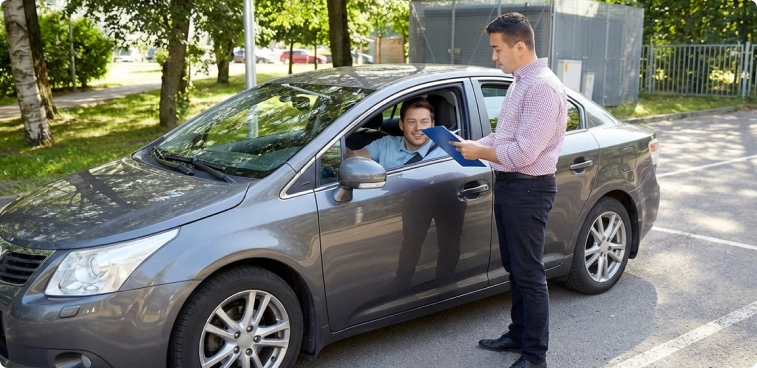
The Insurance Follows The Driver
Imagine you have a friend over who lives in a different state, and he asks to borrow your vehicle for the time he's here. When somebody else drives your vehicle, you are lending not just your car but also your car insurance, except for instances where you have consented in writing to exclude a particular person.
Now, you may think this is great news until you realize that even if your friend possesses greater coverage limits than you, your coverage limits might potentially exhaust when they are behind your steering wheel and something goes wrong.
By the same logic, if you are driving somebody else’s car, your coverage won’t help you.
In recent years, permissive use of vehicles has become necessary in auto insurance; here is how:
- Some states now demand written consent for someone outside the household to be covered under "permissive use." However, if you lend your vehicle and do not give permission in writing, the insurance provider will deny coverage.
- Many insurers have begun including clauses that state that primary coverage limits only apply to named drivers on the policy. If someone not listed on the policy is in an accident while driving your car, they won't be fully compensated.
- Failure to properly communicate with your insurer about who is covered by your policy can lead to fines and, sometimes, policy cancellations in some states.
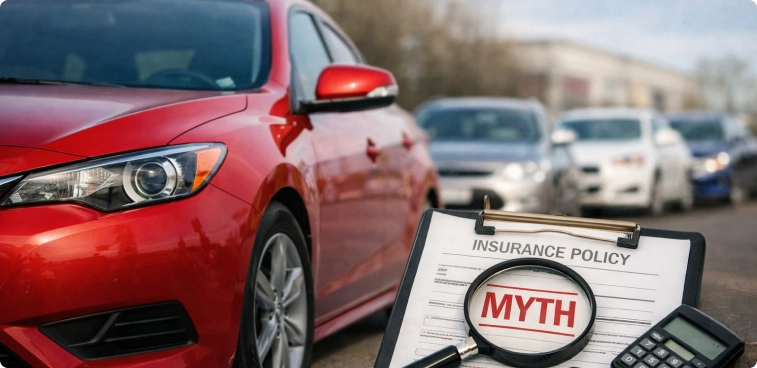
Red Cars Have The Highest Insurance Rates
Red might be the color of grandiosity and luxury, but it does not affect your insurance policy. Your insurance cost is set based on many factors, such as the model of your car, its engine size, the car make, the cost to repair, etc. However, it does not consider the “color” of your vehicle.
This belief emerges from another popular myth, that police officers are inclined to issue tickets to those who drive red cars—again, this is a myth.
If you refrain from purchasing a red vehicle solely because it would skyrocket your insurance premiums, you should know that you are safe, and that's not the case!
This myth is rooted in the perception that red represents speed and risk, making it a prime target for insurance providers and even police. However, auto insurance is based solely on tangible risk factors with real-life implications instead of aesthetic choices.
Here are some factors that mainly determine your auto insurance rates:
- Car make and model
- Engine size
- Repair cost
- Driver profile
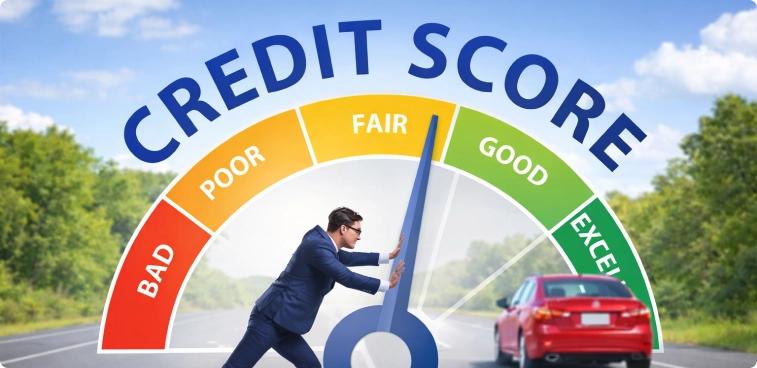
Credit Score Doesn't Affect Premiums
You may believe credit scores have no bearing on insurance costs, but it's not entirely true. Some insurers do consider it to evaluate your financial standing. While your insurance provider may not utilize your actual credit score, they do take into account something known as a “credit-based insurance score.”
A credit-based insurance score is calculated from your credit history and used by insurers to forecast your likelihood of filing claims. Since a higher score implies a lesser risk, insurance rates are usually cheaper for those with higher scores and vice versa. However, some states may not follow this criterion.
While your exact credit score is private and not displayed, insurers use the credit-based insurance score to determine how financially responsible you are. This is not the same as a FICO score or any other traditional credit score but includes factors such as:
-
Payment History:
Having a record of late payments indicates financial stress, which most insurance providers consider a higher risk.
-
Debt Level:
When you have a higher amount of unpaid debt, insurers believe there is a higher chance you'll file a claim.
-
Credit History:
If you possess a more extended credit history with consistent payments, it reflects positively on you as a customer.
The Minimal Legal Insurance Requirement Is Enough
In almost all states of the US, there are defined standards of personal auto insurance that every citizen must possess, such as the “30/60/25” minimum liability requirement in Texas. These limits ensure that those not at fault in an accident receive fair compensation for their losses and protection against injuries.
However, liability insurance only covers the other party's damage costs. There are two primary components of the minimum liability coverage:
-
Bodily Injury Liability (BIL):
It covers medical injuries you cause to other people in an accident. In Texas, for instance, the minimum limit is $30,000 per person and $60,000 per accident.
-
Property Damage Liability (PDL):
It covers property damage to the other party’s property, such as vehicle damage, with a minimum requirement of $25,000 in Texas.
So, if you want your injuries and repair costs covered after an accident, you must purchase additional coverage, such as collision and comprehensive coverage. Collision coverage will pay for the damages if you get into an accident, while comprehensive coverage financially protects against non-collision-related damage.
Insurance Covers Rentals Like Your Car
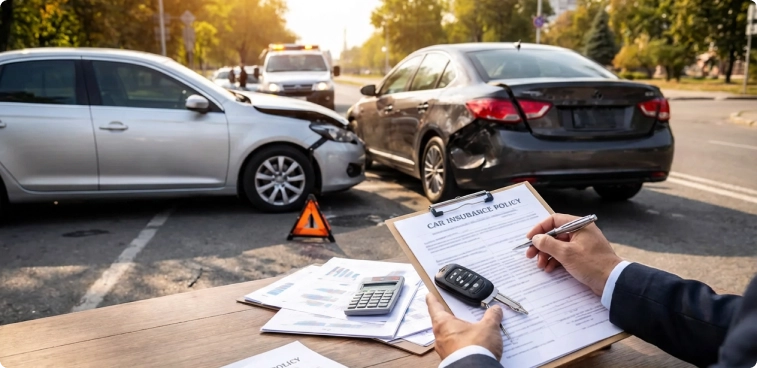
It's a common misconception among drivers that if you have auto insurance, you’re automatically covered for any rental car as you would be for your vehicle. While some policies do offer coverage for car rentals, it is constrained. It's vital to verify your policy and speak with the insurer about the level of coverage provided because some plans may only offer limited coverage for rental automobiles.
For example, your policy might cover liability but not damage to the rental car itself, or it may not cover specific fees, such as loss of use. Additional insurance from rental car businesses may be deemed essential to guarantee protection for your rental car.
You must understand coverage differences before you assume anything. Your auto insurance may cover liability on a rental, but it does not guarantee that physical damage to the car will also be covered. Liability coverage often extends to rental cars, which helps cover any damages you cause to others.
However, even if you possess collision and comprehensive coverage, they won't apply to rental cars, as they mostly follow the vehicle. PIP coverage and MedPay follow the driver, so if you sustain injuries in a road accident, this helps.
New Cars Cost More to Insure
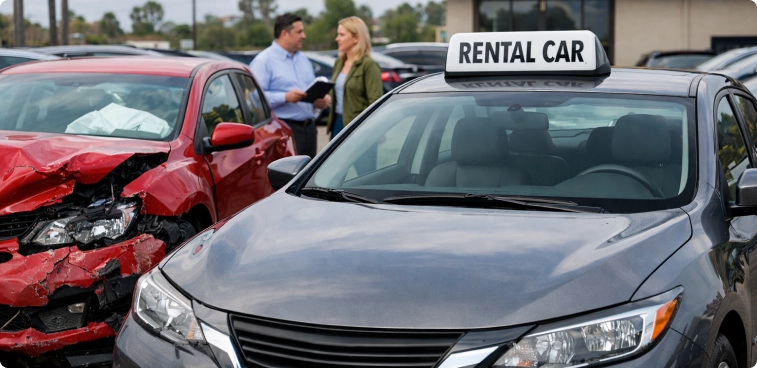
It may come as a surprise, but you pay less for car insurance if you drive a new minivan than if someone drives an old sports car. New motor vehicles are more likely to contain cutting-edge safety technologies that lower the chance of intense crashes, hence lessening the possibility of severe damage. Here are some examples:
Today's new cars come with plenty of safety features that help prevent or mitigate the impact of collisions, such as:
- Automatic emergency braking system detects obstacles and applies brakes automatically, reducing the probability of rear-end collisions.
- Lane departure warnings (LDW) help prevent drivers from unintentionally drifting out of their lanes, reducing accident risk.
- Adaptive cruise control accommodates the car's speed based on traffic, reducing the risk of high-speed collisions.
It is also essential to consider that despite integrating more advanced technology into their building, newer cars also possess increased repair, replacement, and maintenance costs, which can also be a factor. For example:
- If damaged, advanced bumper sensors, windshield cameras, and adaptive headlights are more costly to repair.
- High-tech vehicles have unique parts that require specialized equipment and labor to repair, making them more expensive to replace in an accident.
Clean Record Means No Insurance Needed
Having a good driving record does not turn you into Mr. Immortal. It does not mean that you will never get into an accident, and what is the guarantee that someone else might not cause an accident that you will be involved in? Just because you are a safe driver doesn’t mean everyone else is.
Besides, auto insurance is not just for collisions and accidents; it protects your car against theft, vandalism, fire, hailstorms, etc. It is not in your best interests (legally and in other aspects) to refuse insurance in any scenario. If you ever drive uninsured, you may face the following circumstances:
Legal Penalties:
In nearly all states of the US, you are required to carry minimum liability auto insurance. Driving uninsured can lead to hefty fines, license suspension, and even jail time, depending on the offense.
Personal Liability:
Suppose you ever accidentally cause a collision and you do not have insurance. In that case, you will have to bear all the damages and injuries of the affected party, which can result in unfathomable financial stress.
Insurance Lapres & Rates:
If you cancel your insurance simply because you have had a consistently clean record, it can lead to a lapse in coverage, making it costly to obtain later.

Full Coverage Means Complete Protection
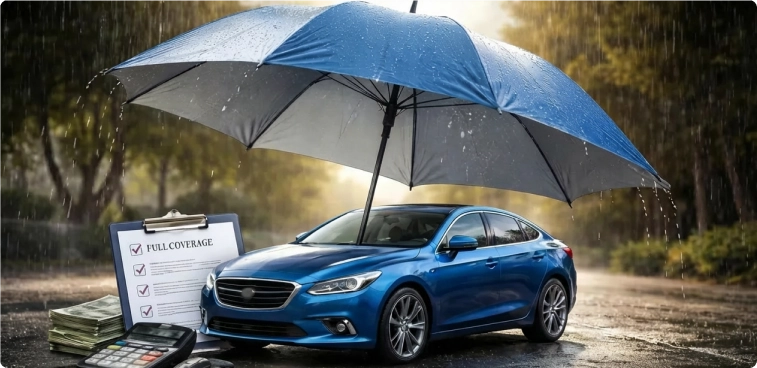
Whenever someone hears the term “full coverage,” they are misled to believe their selected policy will cover every possible unforeseeable circumstance. However, no matter what company you choose, they cannot ensure every incident. There are multiple situations where your insurance policy may not cover the resulting damages.
The following events are typically not covered under standard auto insurance policies unless
Mechanical Breakdown Coverage:
Your policy may not cover any reported mechanical issues that are not directly the result of an accident or collision; you must purchase separate coverage for that.
Personal Possessions in the Car:
If your personal items are stolen or damaged while stored in the car, they won't be covered under your auto insurance policy.
Medical Costs:
If you incur medical costs beyond the limits of your policy, you may have to make several out-of-pocket payments.
Liability, collision, and comprehensive coverage are usually included when referring to full coverage plans. These will protect you from natural catastrophes, animal collisions, accidents caused by you, vandalizing your property, etc.
Nevertheless, “full coverage” is an industry terminology, and there will always be rare instances when insurance might not suffice. Some additional coverage options may enhance protection and help protect against a wide range of perils, such as:
- Gap Insurance
- Roadside Assistance
- Mechanical Breakdown
- Uninsured/Underinsured Motorist
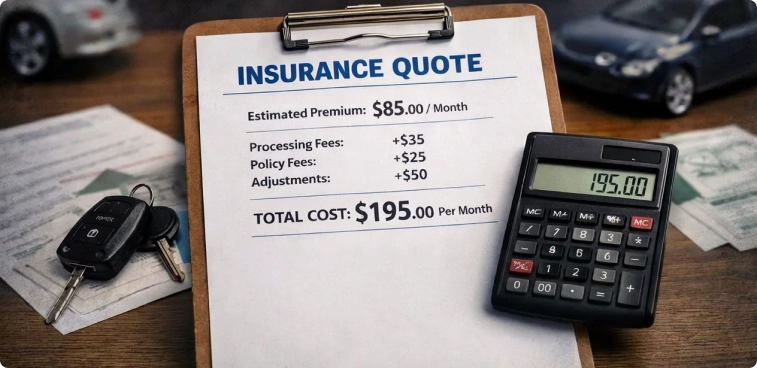
Quote Equals Final Price
A quotation is just the amount quoted by the company based on the information you gave them. If you provide complete details regarding your vehicle and history, the final costs will remain the same, unlike those based on false or incomplete information.
This does not mean that people deliberately miss out on information; sometimes, it is inevitable. There are multiple reasons why you must provide complete details when obtaining quotes. It helps avoid the following:
- If the insurance provider finds discrepancies, they may adjust your insurance rates, leading to unforeseen premium increases.
- Sometimes, when the forms contain significant omissions of personal details, it may even lead to policy cancellations.
- Providing accurate information will make the future claims procedure much more straightforward, without delays and disputes.
Before presenting a quote, all auto insurance companies thoroughly analyze two reports: CLUE (Comprehensive Loss Underwriting Exchange) and MVR (Motor Vehicle Record). These reports include your previous claims and traffic violations. If the details you provided are inaccurate, you must pay more.
- The CLUE report shows your previous claims and lost history, outlining any incidents where you had to file a claim, including the intensity and amount of losses.
- The MVR report summarizes your driving record, including any previous traffic violations, license suspensions, DUIs, and at-fault accidents.
Insurance Covers Commercial Use
Most self-employed individuals use their vehicles for business, such as hauling and transferring goods. Sometimes, they even lend their employees their cars to conduct business activities.
Here are some activities that may be considered business operations necessitating commercial auto insurance:
- If you use your vehicle to deliver food, packages, or goods to your customers.
- Rideshare driving (unless protected under a separate rideshare policy) falls under commercial activities as it helps transport passengers for money.
- Allow your employees to use your car for business operations or deliveries.
You should know that your personal car insurance will not pay you if you get into an accident while working. Your provider can rightfully claim that you were doing your job during the accident.
Hence, personal insurance will no longer be applicable. It is better to purchase business vehicle insurance immediately to protect yourself and your vehicle in a scary situation. Business vehicle insurance offers customized protection that can help protect your business:
Liability Coverage:
It helps cover damages and injuries you cause to others while using your vehicle for a business purpose, such as towing or hauling.
Comprehensive and Collision Coverage:
These coverage options protect your car if it is damaged in an accident, regardless of whether it is during work hours.
Employee Protection:
Some commercial vehicle policies extend coverage to your employees when they drive a business vehicle for errands, protecting them against unforeseen perils.

How to Avoid Common Misconceptions When Purchasing Auto Insurance?
We understand how confusing purchasing the right auto insurance plan can be. You may make the wrong decision with so many do's and don'ts. However, here are five fundamental strategies that can help ensure you do not find a policy that aligns with your needs, ensuring stereotypes do not blindside you.
Understand What "Full Coverage" Truly Means
Full coverage usually includes liability, collision, and comprehensive insurance; however, it does not guarantee that all vehicle-related issues will be covered. You should avoid the one-size-fits-all trap and review your policy to understand any exclusions that may be a part of it. If the coverage needs to be improved, consider optional add-ons and other options that may cater to your needs.
Do Not Depend on a Clean Driving Record
It is generally known that a clean and good driving record can help reduce your premiums and access discounts and incentives. However, it does not lessen the chance of unforeseen accidents. Even with a clean driving record, you can still get into collisions or other unexpected perils. You must purchase additional coverage to protect yourself.
Check Rental Car Coverage Details
Personal auto insurance offers some protection; however, numerous instances may not suffice to cover your damages, especially when dealing with a rental car. It may exclude loss or damage costs while covering liabilities and injuries you sustain. You should review our policy to spot possible exclusions or purchase rental car insurance.
Do Not Skip Business Insurance
If you use your vehicle frequently for business operations, purchasing commercial vehicle insurance immediately is best! You may consider it an unnecessary expense, but it will come back to haunt you if you are in an accident and your insurer denies your claims, leading you to pay for the damages on your own.
Review Your Coverages Regularly
Your insurance needs can evolve with time. The best way to ensure you are covered for potential hazards is to check your policy regularly. See if there are any discrepancies or coverage gaps to fill.
WRAPPING UP
Many people refrain from purchasing the right insurance policy because society perpetuates auto insurance myths without any logical basis. Awareness is the key to making the right decisions and choosing the right coverage for your vehicle.
At CINCO Auto Insurance, transparency is vital. Our insurance agents help our clients fully comprehend their insurance needs and guide them toward making decisions that align with their coverage requirements. We work closely with our customers to ensure they do not have any unclear doubts and are completely satisfied with their choices.
By clearing the misconceptions mentioned earlier, you can make a more informed choice regarding premium payments and insurance types. Stay updated by regularly reviewing your policy and staying in frequent contact with your insurer—"An ounce of prevention is worth a pound of cure.




Founded in 1981, CINCO Auto Insurance is a licensed agency proudly serving Texas and Georgia residents with reliable insurance coverage.
Contact Us



Find Car Insurance By Make
Toyota
Ford
Chevrolet
Honda
Nissan
Jeep
Hyundai
Kia
Ram
Subaru
GMC
Volkswagen
Copyright © 2026 CINCO Auto Insurance All Rights Reserved.